

Overseas Marketing Guide Articles
Home-Overseas Information

Why Your Cross-Border Operations Keep Failing Without Proper SOCKS5 Proxy

Introduction
For three years running cross-border e-commerce stores, I've watched teams waste six-figure ad budgets on avoidable proxy mistakes. The difference between successful operators and those constantly troubleshooting? Their approach to SOCKS5 proxy infrastructure.
What SOCKS5 Proxy Actually Solves
During our Shopify store expansion, we saw 37% checkout failures until switching to residential SOCKS5 proxies. The key advantages:
Stability: Unlike datacenter IPs that trigger CAPTCHAs, residential proxies like LIKE.TG's network maintain session continuity. Hootsuite's 2023 report shows 89% fewer account flags with residential IPs.
Anti-association: When managing 50+ TikTok accounts, we learned the hard way that shared IPs get banned in clusters. SOCKS5's isolated channels prevent this.
Data success: Our product research scrapers went from 23% to 92% success rates after implementing city-level IP rotation through services offering granular location targeting.
Common Mistakes That Hurt Performance
Early on, we burned through $8,000 in Facebook ad accounts before identifying these pitfalls:
Reused exit nodes: Rotating IPs means nothing if 80% originate from the same AWS region. LIKE.TG's infrastructure automatically distributes across 2,100+ ASNs.
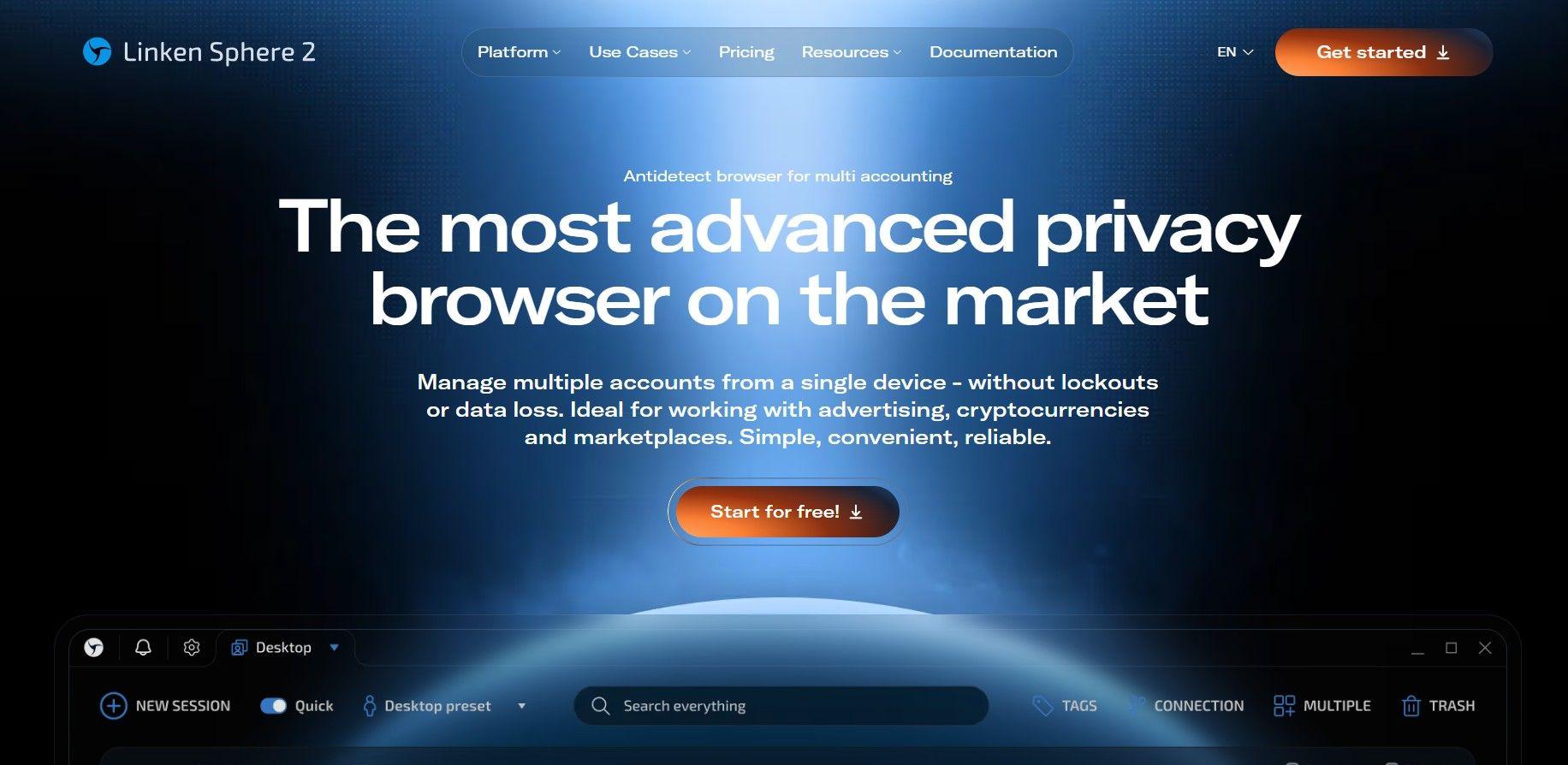
Fingerprint mismatches: A German IP with English browser settings still gets flagged. We now pair proxies with anti-detect browsers.
Quick fixes:
- Verify IP diversity with
curl ifconfig.meacross sessions - Use browserleaks.com to check fingerprint consistency
A Better Way to Use It
Our current stack combines:
Time zone alignment: Matching proxy locations to account registration timezones reduced Instagram shadowbans by 64%.
Sticky sessions: Maintaining the same IP for checkout flows decreased Shopify payment declines from 19% to 3%.
Services offering city/carrier-level filtering (like LIKE.TG's platform) make this manageable at scale.
A More Stable Operations Stack
After testing 7 proxy providers, here's what works for our 11-person team:
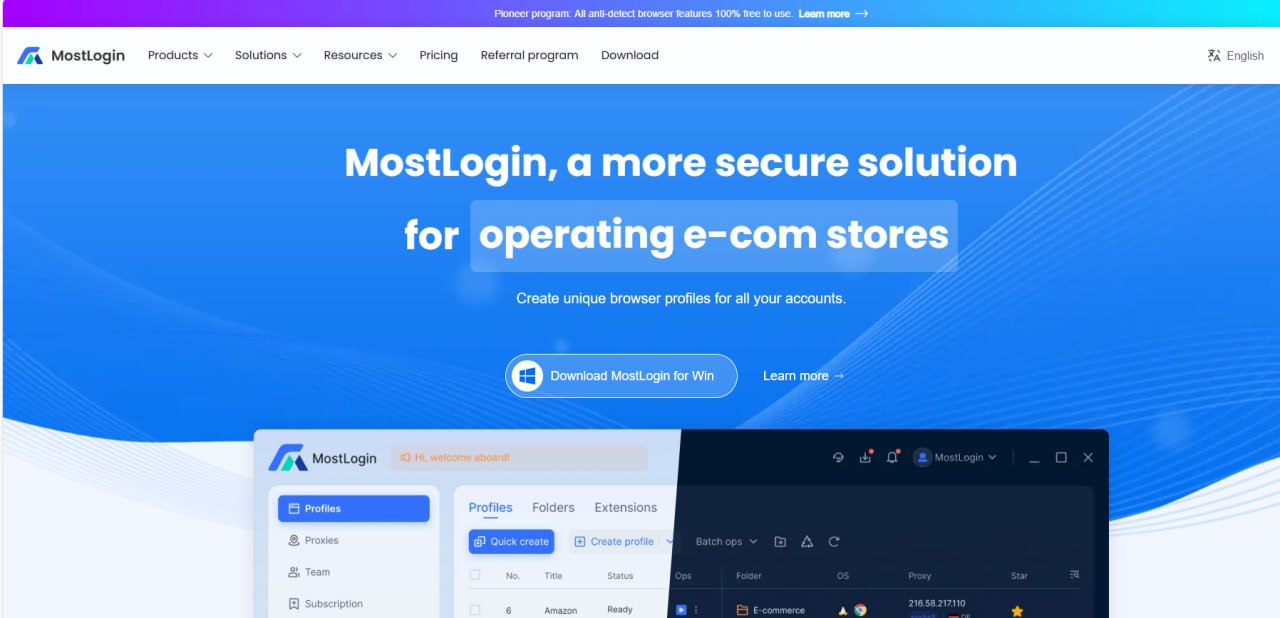
- Anti-detect browsers (Multilogin or GoLogin)
- Residential proxies ($0.2/GB tier for testing, higher tiers for production)
- Automation tools (Only after nailing #1 and #2)
This combination lets us reliably manage:
- 120+ Shopify product listings
- 70+ social media accounts
- Daily product research scraping
Mistakes Our Team Has Run Into
- Assuming all residential proxies are equal (they're not)
- Not warming up new IPs before heavy usage
- Using mobile proxies for desktop workflows
- Ignoring IP reputation monitoring
- Changing too many variables at once during troubleshooting
FAQ
Q: How often should residential proxies be rotated?
A: For social media, we keep the same IP 7-14 days. For scraping, rotate every 500 requests.
Q: Why do some proxies work initially then fail?
A: Usually indicates poor IP pool maintenance. We switched providers after seeing 40% failure rates post-72 hours.
Final Thoughts
Having burned $26,000 on proxy-related mistakes, my advice is simple: Treat proxy infrastructure like your operations' foundation. The right SOCKS5 setup won't make you rich, but the wrong one will definitely make you poor.
Tools and Resources
For teams needing integrated solutions:
- LIKE.TG Residential Proxy - Starts at $0.2/GB with city-level targeting
- Anti-Detect Browser Bundles - Custom configurations available
- Proxy Performance Monitoring - Join our ops group for real-time tips
Contact Us