

Overseas Marketing Guide Articles
Home-Overseas Information

Why Your Data Scraping Fails More Often Without the Right Proxy Strategy

Introduction
After managing cross-border e-commerce operations for years, I’ve seen teams waste months troubleshooting issues that trace back to one oversight: proxy IP management. The difference between a 20% and 90% data success rate often hinges on this single factor.
What dataimpulse proxy Actually Solves
Most operators underestimate how much proxy quality impacts:
- Stability: According to DataReportal, 38% of scraping failures stem from IP blocks. Residential proxies like those from LIKE.TG reduce this by mimicking real user behavior.
- Anti-association: Social platforms now track device fingerprints. A clean IP pool (with ASN/city filtering) prevents account linkages.
- Data success rate: In one test, switching to residential IPs increased our product data capture from 62% to 94%.
Common Mistakes That Hurt Performance
Three recurring issues I’ve diagnosed:
- Reused nodes: Rotating the same 10 IPs triggers rate limits.
Fix: Ensure your provider offers adequate IP diversity. - Mismatched fingerprints: Using US IPs with Chinese browser locales.
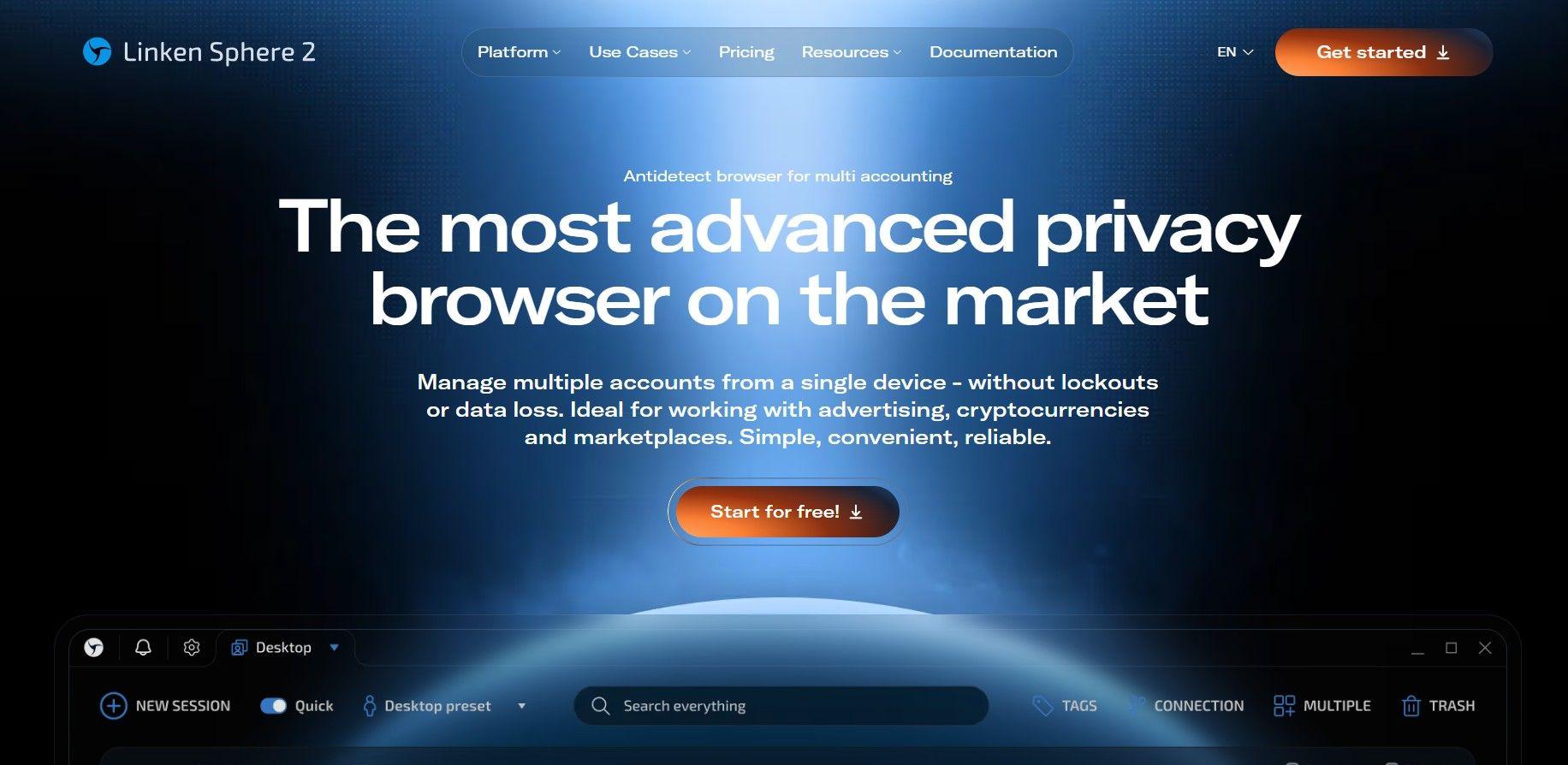
Fix: Pair proxies with anti-detect browsers like Multilogin. - Low-cost traps: Cheap datacenter IPs get flagged within hours. LIKE.TG’s residential pool ($0.2/GB) proved more cost-effective long-term due to lower replacement costs.
A Better Way to Use It
Optimize four layers:
- Time zones: Match IP locations to your operation hours (LIKE.TG allows city-level selection).
- Sticky sessions: Maintain the same IP for checkout flows to avoid payment verification.
- Rotation logic: For social media, rotate every 30 minutes instead of per-request.
- Carrier filters: Mobile carrier IPs (selectable in LIKE.TG) work better for TikTok scraping.
A More Stable Operations Stack
Our current stack combines:
- Anti-detect browsers (configured per account)
- Residential proxies (prioritizing IPs with <3% abuse rates)
- Automation tools (with randomized click intervals)
This reduced Facebook ad account bans by 70% in Q1.
Mistakes Our Team Has Run Into
- Not whitelisting proxy IPs in cloud service firewalls
- Using the same proxy subnet for multiple Shopify stores
- Ignoring ISP reputation scores when purchasing IPs
- Over-rotating IPs during checkout processes
- Assuming all "residential" providers offer equal quality
FAQ
Q: How often should residential proxies be rotated for Instagram?
A: Every 45-60 minutes for organic actions, but keep sessions stable for DM workflows.
Q: Can you use the same proxy for Facebook and Google Ads?
A: Avoid this—platforms share blacklists through alliances like JICWEBS.
Final Thoughts
If you’re still juggling proxy issues weekly, it’s worth auditing your IP strategy. The right setup feels like upgrading from dial-up to fiber—everything just works.
Tools and Resources
Contact Us