


Product Information
What is Gonnect?
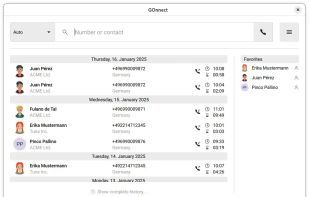
GOnnect is an opinionated, simple, and easy-to-use VoIP client, specifically designed for Linux/Flatpak-based installations. It leverages various Flatpak portals and aims to integrate seamlessly into modern desktop environments like KDE or GNOME.
**Overview**
What sets GOnnect apart is its requirement for configuration. As such, it does not include a setup wizard or settings dialog and relies on a functional configuration file.
Here’s a brief list of its features:
- Call forwarding
- Three-way conference calling
- Support for busy sources
- Configurable call busy status
- LDAP/CardDAV address sources
- Configurable outbound call identity
- Configurable toggles (e.g., for call queues, CFNL, etc.)
- Upgrade calls to Jitsi Meet sessions
- Support for various hardware headsets (e.g., Yealink, Jabra)
- Support for multiple busy lights
- Custom audio device profiles or system-managed audio
- MPRIS integration to pause other audio sources during calls
- System tray integration for quick access to common functions/favorites/frequent calls
- GNOME search provider support
- KRunner search plugin (requires next-gen Flatpak)
- Desktop actions/autostart
- Global keyboard shortcuts (if supported by your desktop environment)
- Prevents screensaver activation during calls
- MIME type registration for `tel:`/`sip:` URLs
- Light/dark mode
How to use Gonnect?
GOnnect is a simple VoIP client for Linux/Flatpak, designed to integrate well with modern desktops like KDE or GNOME, offering desktop-integrated voice communication.
Core Functions of Gonnect
Flatpak
SIP
KDE
Usage Scenarios of Gonnect
- Performing call transfers
- Hosting three-way conference calls
- Managing contacts via LDAP/CardDAV address sources
- Escalating calls to Jitsi Meet sessions
- Quick access to common functions and contacts via system tray
- Handling tel:/sip: URL links for calls
Common Questions about Gonnect
What does GOnnect do?
How do I use GOnnect?
What are the core features of GOnnect?
What are the use cases for GOnnect?