


Product Information
What is Micropython?
MicroPython aims to adhere to the Python 3.4 standard in terms of language syntax (incorporating selected features from later versions), with most of its functionality aligning with that described in the "Language Reference" documentation on docs.python.org. The MicroPython standard library is detailed in its respective sections. The chapter on differences between MicroPython and CPython outlines the distinctions between the two (primarily concerning the standard library and types, but also some language-level features). MicroPython is capable of running on a variety of systems and hardware platforms. Here, you can find general documentation applicable to all systems, as well as specific information about the various platforms (also known as ports) where MicroPython operates.
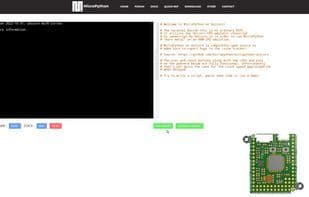
MicroPython is a software implementation of a programming language largely compatible with Python 3, written in C and optimized to run on microcontrollers. It consists of a Python bytecode compiler and a runtime interpreter for that bytecode. Users interact with an immediate command execution interface (REPL), which supports a curated selection of core Python libraries. MicroPython also includes modules that allow programmers to access low-level hardware.
While MicroPython features an inline assembler enabling full-speed execution of code, such code is not portable across different microcontrollers (as is the case with any assembly language).
The project's source code is available on GitHub under the MIT license.
How to use Micropython?
MicroPython is a lean Python 3 implementation optimized for microcontrollers, enabling easy porting of desktop Python code to control electronics projects.
Core Functions of Micropython
Lightweight, scriptable, Python-based
Usage Scenarios of Micropython
- Controlling various electronic projects
- Porting desktop Python code to microcontrollers or embedded systems
- Accessing microcontroller hardware via Python
- Running Python 3 programs in resource-constrained environments
Common Questions about Micropython
What does MicroPython do?
How do I use MicroPython?
What are the core features of MicroPython?
What are the application scenarios for MicroPython?