


Product Information
What is Openobserve?
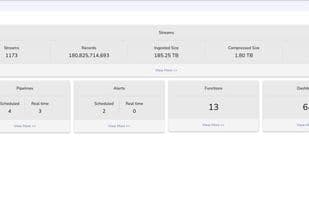
OpenObserve (abbreviated as O2) is a cloud-native observability platform specifically designed for logs, metrics, traces, analytics, and RUM (Real User Monitoring - performance, errors, session replays), built to handle petabyte-scale workloads.
Compared to Elasticsearch, which requires understanding and tweaking numerous configurations, it is straightforward and easy to operate. You can get OpenObserve up and running in just 2 minutes.
For users who rely on APIs to ingest data and perform searches, OpenObserve serves as a seamless alternative to Elasticsearch. It comes with its own user interface, eliminating the need for separate installations.
Using OpenObserve can reduce log storage costs by approximately 140 times compared to Elasticsearch. Below, we present the results of pushing logs from a production Kubernetes cluster to both Elasticsearch and OpenObserve using Fluent Bit.
How to use Openobserve?
OpenObserve is a cloud-native observability platform tailored for logs, metrics, traces, analysis, and real user monitoring (RUM), capable of handling petabytes of data. It offers high performance, scalability, and significantly reduces storage costs.
Core Functions of Openobserve
Metrics
Usage Scenarios of Openobserve
- Monitor logs, metrics, and trace data
- Replace Elasticsearch for data ingestion and search
- Reduce log storage costs (e.g., for Kubernetes cluster logs)
- Conduct real user monitoring (performance, errors, session replay)
- Offer self-hosted logging solutions for enterprises
- Conduct data analysis
Common Questions about Openobserve
What does OpenObserve do?
How do I use OpenObserve?
What are the core functions of OpenObserve?
What are the application scenarios of OpenObserve?