



Product Information
What is Status list?
Get Immediate Downtime Alerts
Receive instant notifications when your HTTP service fails, degrades, or recovers. Stay ahead of the game—resolve issues long before customers call. If you're in charge of communications, craft your messages proactively. If you're in operations, tackle problems before they escalate.
Save Time on Log Hunting
When a service goes down, you need all the details fast. That’s why every alert includes complete HTTP request and response logs. With full context, you’ll solve issues faster.
Simple and Focused
We specialize in uptime and performance monitoring—nothing more, no bloat. Just one service that excels at what it does.
Pinpoint Performance Issues Quickly
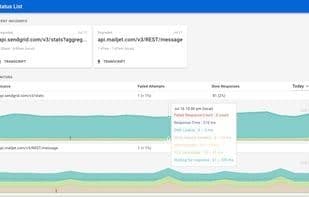
Is slow performance due to TLS setup delays? Or is the web service genuinely sluggish? Our alerts display all metrics—DNS lookup, TLS setup, request send, and response times. Don’t waste time troubleshooting blind.
A Partner Always Ready to Help
I’m Nate, founder and developer of Status List. I personally handle every support request because I love helping fellow developers keep their systems running smoothly. Got questions? Email me at [email protected].
How to use Status list?
Status List offers standardized uptime monitoring services, sending alerts with diagnostic information immediately when HTTP services fail, degrade, or recover, helping users quickly identify and resolve issues.
Core Functions of Status list
Website monitoring, uptime monitoring, performance monitoring
Usage Scenarios of Status list
- Monitor the operational status of HTTP services and receive immediate notifications upon failures.
- Enable operations teams to address service issues proactively when problems arise.
- Allow personnel responsible for external communication to prepare outage notifications in advance.
- Quickly obtain diagnostic information to identify performance bottlenecks, such as TLS settings or web service response times.
- Display service uptime data to users via built-in status pages.
- Monitor HTTP endpoints, databases, and GRPC calls.
Common Questions about Status list
What does Status List do?
How do I use Status List?
What are the core features of Status List?
What are the use cases for Status List?