

Overseas Marketing Guide Articles
Home-Overseas Information

TikTok Bans AI-Generated Voices in Livestreams to Boost Authenticity

TikTok Clamps Down on AI-Generated Audio in Shopping Livestreams
TikTok has implemented new restrictions targeting artificial intelligence-generated audio in livestreams, specifically banning synthetic voices and pre-recorded content during live broadcasts. The updated guidelines, documented in TikTok's official seller resources, classify AI voice usage as "non-compliant content" under prohibited broadcast practices.
According to insights tracked by like.tg, the policy shift comes as TikTok Shop expands its live commerce operations globally. The platform now mandates that hosts "engage directly with viewers using real-time verbal or sign language communication," explicitly forbidding "non-real-time verbal interaction such as AI-generated voices, audio recordings, or radio."
Contradiction in TikTok's AI Strategy
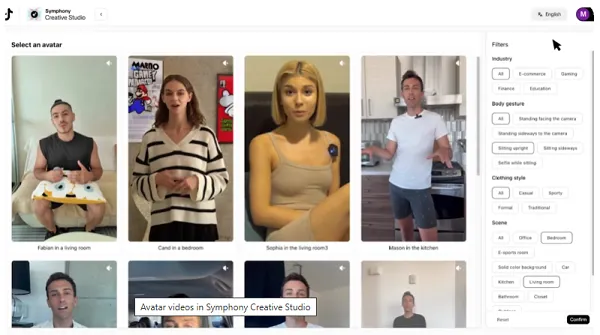
This policy adjustment creates tension with TikTok's broader artificial intelligence initiatives. Just last year, the platform introduced AI-powered digital avatars designed to assist brands with automated content creation. These virtual characters were marketed as tools that could "broadcast on a brand's behalf" to increase promotional efficiency.
The Chinese version of TikTok, Douyin, has seen remarkable success with virtual influencers. Reports indicate over 993,000 registered digital avatar companies in China, offering 24/7 streaming capabilities at minimal operational costs. This thriving ecosystem made TikTok's international restriction on AI livestreaming particularly noteworthy.

Balancing Automation with User Experience
Industry analysts suggest the ban likely responds to viewer complaints about repetitive, low-quality AI streams flooding the platform. TikTok appears to prioritize authentic engagement over automation scalability in this instance, though the rules contain potential loopholes.
The updated guidelines state that animated figures shouldn't cover more than 50% of the screen, leaving room for partial AI integration. However, any audio component would still violate the new standards if generated artificially rather than delivered live.
This development highlights TikTok's ongoing challenge to reconcile its aggressive AI adoption with maintaining platform authenticity. While virtual influencers thrive on Douyin, international audiences may require different engagement standards as TikTok Shop expands its global live commerce ambitions.
Contact Us