



Product Information
What is Linux containers (lxc)?
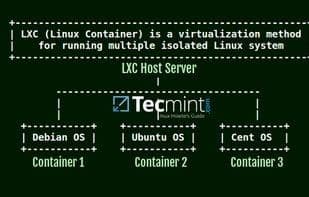
LXC, short for Linux Containers, is a lightweight virtualization solution based on the Linux kernel. It operates directly on the operating system, enabling you to run multiple independent distributions simultaneously.
The key difference between LXC and KVM virtualization lies in the fact that LXC does not emulate hardware; instead, it shares the same kernel namespaces, similar to a chroot application. This makes LXC an exceptionally fast virtualization solution compared to others like KVM, XEN, or VMware.
How to use Linux containers (lxc)?
LXC (Linux Containers) is a lightweight virtualization solution based on the Linux kernel, running on the OS to allow multiple isolated Linux distributions to operate simultaneously. By sharing kernel namespaces instead of emulating hardware, LXC provides a near-virtual-machine environment while avoiding the high overhead of traditional virtualization, enabling rapid containerization.
Core Functions of Linux containers (lxc)
Lightweight
Command Line Interface
Container virtualization
Sandbox
Virtualization
Usage Scenarios of Linux containers (lxc)
- Run multiple isolated Linux distributions
- Deploy containers on Linux
- Provide a near-virtual machine system environment
- Run a full Linux system
- As a lightweight virtualization solution
Common Questions about Linux containers (lxc)
What does LXC do?
How do I use LXC?
What are the core features of LXC?
What are the use cases for LXC?