

LinkedIn explains AI-powered feed recommendations

LinkedIn has detailed an AI-powered recommendation system that matches members with posts from people outside their network. Its new Profile Relevance model uses large language model-generated embeddings to assess content against each member’s professional context, according to LinkedIn engineer Shiyong Lin.
In a LinkedIn Engineering Blog post, Lin explained how the model works and reported improvements in feed viewing, engagement and hide rates during online experiments.
How Profile Relevance matches posts to members
The process uses members’ profile information and posting history to generate personalized summaries of their likely interests. LinkedIn then measures how relevant individual posts are to those summaries.
“The system evaluates how well each post matches a member’s professional context across specific factors, including topic, location, job title, company, industry, seniority, and education,” Lin wrote.
LinkedIn manually assessed the results before building a system to show members more relevant posts from people they do not follow.
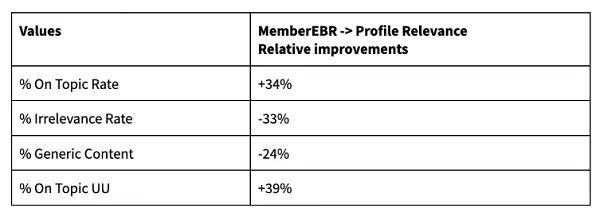
LinkedIn reports gains in online experiments
According to Lin, online experiments recorded:
- A 0.54% lift in Feed Updates Viewed.
- A 0.94% increase in viral rate.
- An 18.8% reduction in hide rate.
Lin said these results indicated a more relevant, less noisy feed, surfacing content beyond members’ immediate networks while remaining aligned with their professional context.
For cold-start members with limited activity history, Lin reported a 17.7% increase in viral engagement and a 1.8% lift in DAU. He said those results demonstrated the model’s ability to work with sparse interaction data.
Lin also said the system would benefit creators by helping their posts reach relevant audiences beyond their immediate networks.