




Meta's AI Vision Faces Public Trust Challenges, Survey Shows

Meta's AI Ambitions Clash With Public Trust Concerns
Meta CEO Mark Zuckerberg’s vision for an AI-powered future faces significant public skepticism, according to recent survey data. The company’s plan to develop personalized AI assistants hinges on widespread user trust—a challenge given Zuckerberg’s current standing.
Survey Highlights Public Distrust
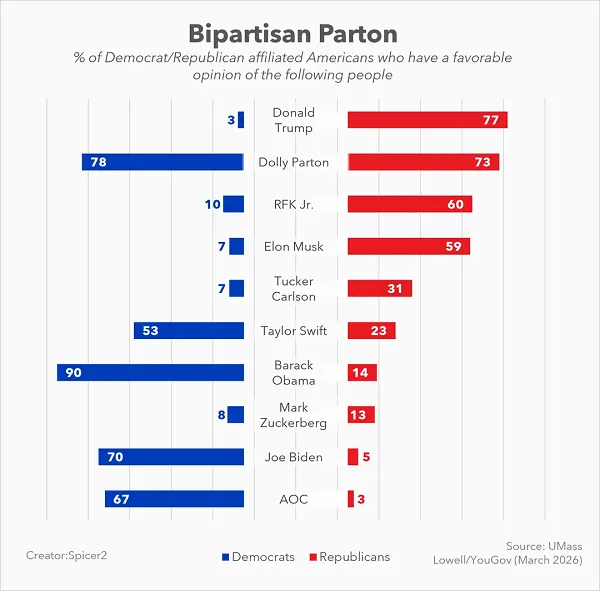
A study conducted by UMass Lowell’s Center for Public Opinion, in partnership with YouGov, found Zuckerberg to be the least-liked public figure in the U.S. among both Republicans and Democrats. The findings, shared on Reddit’s r/DataIsBeautiful, underscore the uphill battle Meta faces in convincing users to share sensitive data for its AI initiatives.
Zuckerberg’s AI Vision Requires Extensive Data Access
Earlier this month, Zuckerberg outlined his 6,500-word manifesto detailing Meta’s AI ambitions. The plan envisions a future where every individual has a 24/7 AI assistant managing health, finances, and daily tasks. However, achieving this requires users to grant Meta unprecedented access to personal data—a proposition complicated by the company’s history of privacy controversies.
Meta’s AI tools would need deep integration into users’ lives, analyzing sensitive information to provide personalized recommendations. This level of access raises concerns, particularly given Meta’s past struggles with data misuse and public perception.
Ongoing Challenges for Meta
Meta’s efforts to rebuild trust include initiatives like restricting teenage social media usage. However, setbacks persist—such as its AI-powered smart glasses facing criticism for enabling unauthorized recordings.
The company’s ability to convince users of its commitment to public good, rather than profit-driven motives, remains uncertain. As Zuckerberg pushes forward with AI development, public trust may prove to be the defining hurdle.
like.tg continues to monitor developments in social media and AI integration.