

Meta expands AI age detection for teens

Meta announced on November 9, 2026, that it is expanding its AI-powered age estimation technology, continuing its rollout on Facebook and planning to begin introducing similar technology globally on Threads later this year.
The company said the technology identifies people it suspects are teens, even when they provide an adult birthday, and places them into Teen Account protections. According to Meta, the process has placed millions of teens worldwide into protective experiences despite users misrepresenting their ages.
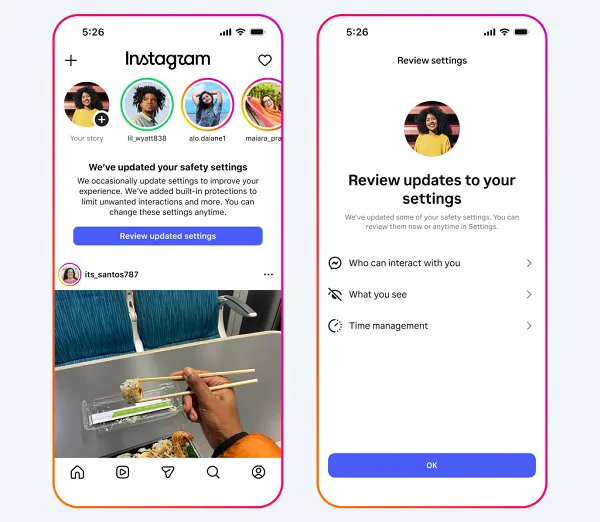
Expanded detection and settlement commitments
Meta’s age detection system uses visual and contextual analysis to estimate a user’s age. The company said it is strengthening technology to identify accounts that may belong to children under 13, as well as teens aged 13 to 17.
Meta linked the expansion to commitments under its agreement with 52 bipartisan attorneys general across U.S. states, territories and the District of Columbia.
In August, Meta agreed to pay $18 billion and introduce additional teen protections to settle a lawsuit brought by a coalition of U.S. attorneys general. Those commitments included time limits on teen social media use, notification blocks during school hours and overnight, and an option for teens to make a non-algorithmic feed their default.
Apple age-range signals in Australia
Meta also announced that it will incorporate Apple’s age-range signal into its age checks in Australia.
According to Meta, parents setting up a smartphone for a teen can choose to have the app store confirm the user’s age and assign an age range. When the teen downloads an app, Apple passes that range to the developer to indicate whether the user meets the app’s age requirement.
Meta said it is voluntarily using this information and reiterated its call for app stores to take a larger role in determining age at download.
The company previously said it removed more than 750,000 profiles identified as belonging to teens in Australia to comply with the country’s social media ban for users under 16, which took effect in December 2025. Separately, an August report from Australia’s eSafety Commission indicated that 81.5% of underage users continued accessing restricted apps.
Meta also called on TikTok and YouTube to adopt the same practices for identifying younger users and placing teens into age-appropriate experiences.