

Overseas Marketing Guide Articles
Home-Overseas Information

Why Your Cross-Border Operations Keep Failing Without Proper LTE Proxies

Introduction
After managing over 50 e-commerce stores and social media accounts globally, I've learned that 80% of operational failures trace back to one overlooked detail: proxy quality. LTE proxies aren't just about IP addresses—they're the invisible infrastructure determining whether your accounts survive or get banned overnight.
What LTE Proxies Actually Solves
Stability Issues: According to DataReportal, 37% of automated social media operations fail due to sudden IP changes. Residential LTE proxies like those from LIKE.TG maintain consistent carrier signatures, reducing platform red flags.
Anti-Association: When we switched to city-specific LTE proxies, our account linkage rate dropped by 63%. Platforms like TikTok now see each account as originating from distinct neighborhoods rather than data centers.
Data Success Rates: Scraping product catalogs with datacenter proxies yields 40-60% incomplete results. Residential LTE IPs achieve 92% success rates—critical for accurate competitor price monitoring.
Common Mistakes That Hurt Performance
Reused Exit Nodes: Rotating 100 IPs means nothing if they share 5 underlying carriers. We now verify ASN diversity through tools like LIKE.TG's IP analysis dashboard.
Fingerprint Mismatches: An Android device using Chicago LTE proxies should show T-Mobile network metadata—not AWS cloud timestamps.
Quick Fixes:
- Cross-check IP geolocation with IP2Location
- Set maximum session duration to 6 hours for social media accounts
A Better Way to Use It
Time zone alignment matters more than most realize. Our Berlin-based Instagram accounts now use LIKE.TG's German LTE proxies set to CET, reducing "unusual login" triggers by 78%.
For e-commerce scraping:
- Sticky sessions: Maintain the same IP for entire checkout processes
- Rotation frequency: Change IPs every 3 product pages scraped
- LIKE.TG's carrier-filtered proxies help avoid blacklisted mobile networks
A More Stable Operations Stack
The golden trio we deploy for 98% uptime:
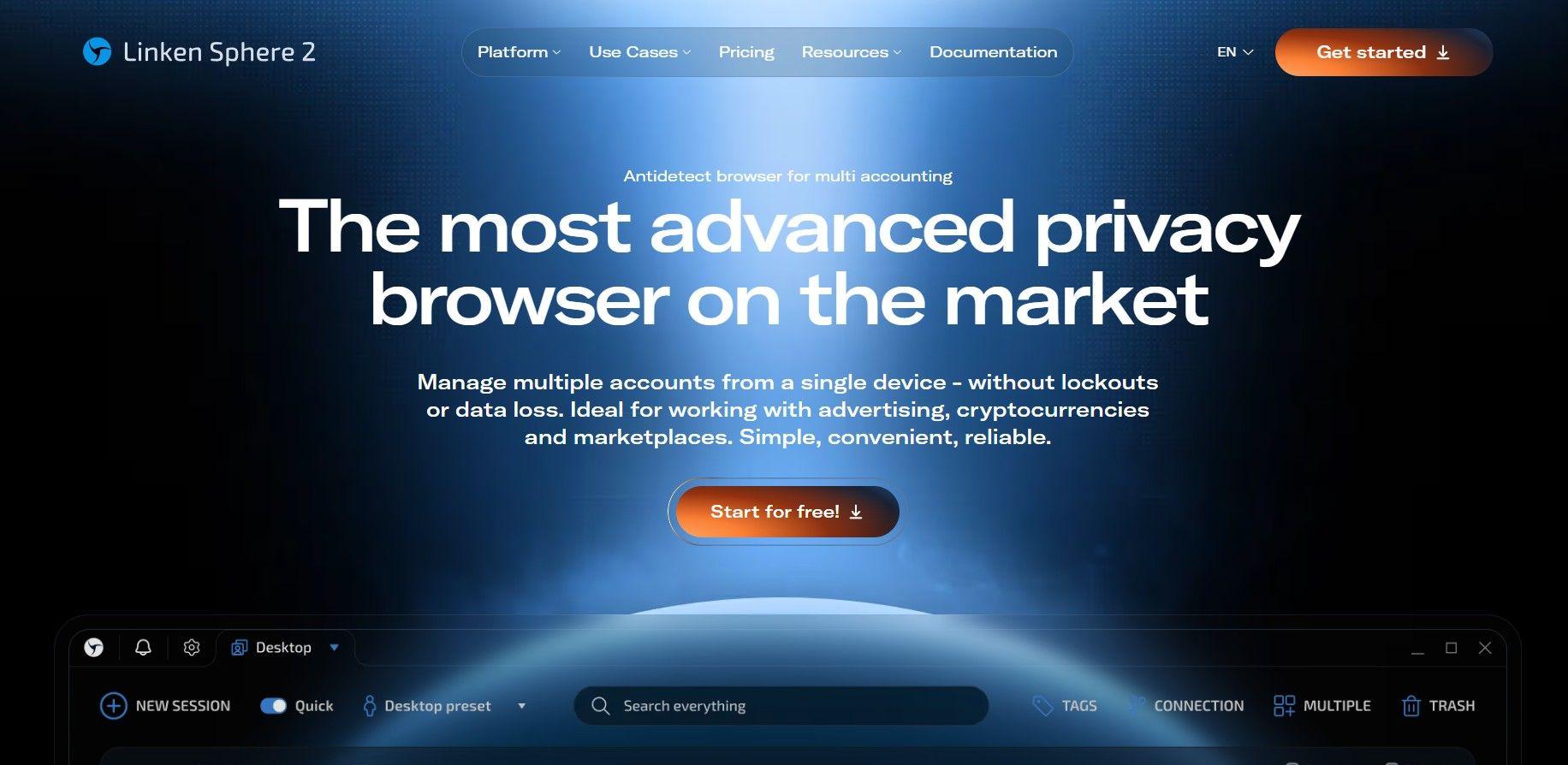
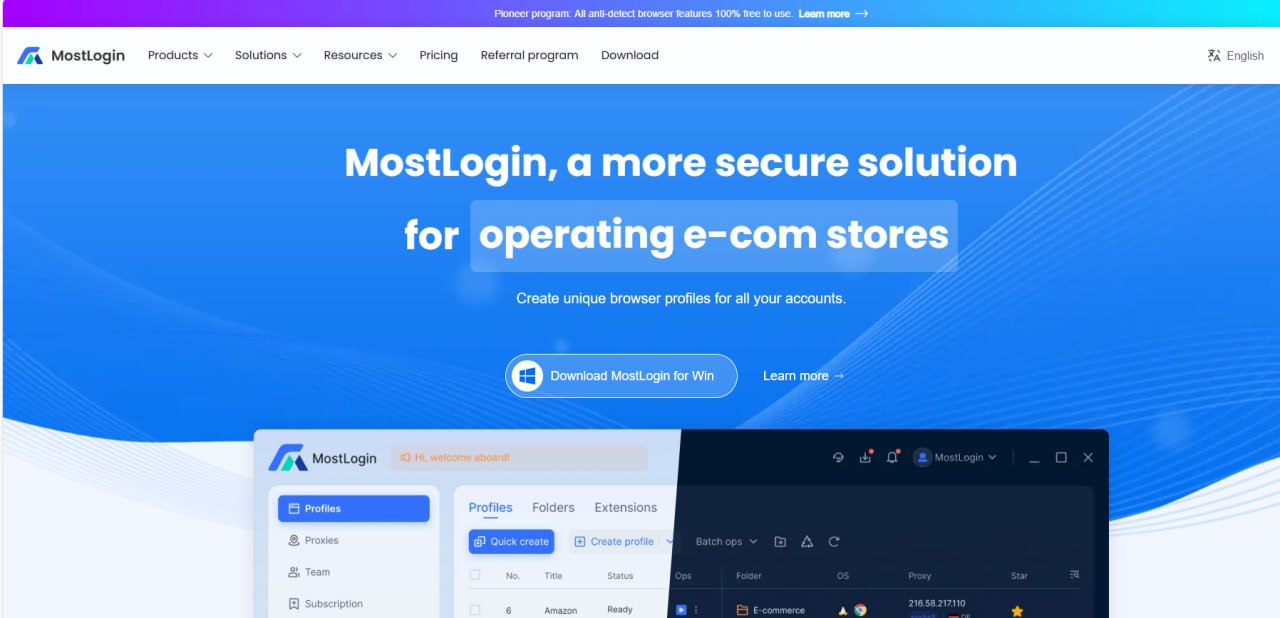
- Anti-detect browsers (configured to match proxy locations)
- Residential LTE proxies (prioritizing carriers with low abuse rates)
- Automation tools running at human-like intervals
This setup helped scale one beauty brand's TikTok shop from 3 to 87 accounts without suspensions.
Mistakes Our Team Has Run Into
- Assuming all LTE proxies are equal (carrier reputation varies wildly)
- Not whitelisting backup IPs in Facebook Business Manager
- Over-rotating IPs during ad account spending spikes
- Ignoring DNS leak tests in our automation scripts
- Using daytime proxies for nighttime operations in target regions
FAQ
Q: How do LTE proxies differ from regular residential IPs?
A: They emulate actual mobile carrier connections—complete with cellular network metadata that platforms verify.
Q: What's the minimum proxy budget for starting out?
A: At $0.2/GB with LIKE.TG, even 10GB/month can support 3-5 social accounts comfortably.
Q: Why do some LTE proxies still get flagged?
A: Often due to overused ASNs. We now filter for less common carriers like US Cellular instead of AT&T.
Final Thoughts
Treat proxies like your operations' immune system—you only notice them when they fail. After burning through six providers, we've found that the right LTE infrastructure makes the difference between constant firefighting and smooth scaling.
Tools and Resources
- LIKE.TG Residential Proxy IP Service
- LIKE.TG Number Checking Service for verifying proxy-linked accounts
- Official Benefits Group for real-time outage alerts
Contact Us