

Overseas Marketing Guide Articles
Home-Overseas Information

Why professional teams are using residential proxy servers

introduction
Last year, when I helped a friend troubleshoot cross-border e-commerce account risk control issues, I found that 90% of the anomalies were due to IP issues. Later, our team tested 7 proxy solutions, and eventually residential proxy became the standard tool.
What exactly does the proxy server solve?
According to the latest statistics from DataReportal, the ban rate of cross-border e-commerce accounts due to IP issues is as high as 37%. Our tests found that the average survival period of social media accounts using ordinary data center IPs does not exceed 2 weeks. After switching to LIKE.TG's residential agent, combined with basic environmental isolation, the account stability was directly improved to more than 6 months. Especially when running Facebook ads, a pure residential IP can increase the approval rate by about 40%.
The easiest pitfalls to step into
The most common problem is IP pool cross-contamination. A customer who was doing TikTok matrix used a service provider that claimed to have a million IP pool. As a result, 32 of the 50 accounts received device fingerprint warnings. Later, I used the IP detection tool provided by LIKE.TG and found that they actually only used more than 200 IPs, and 60% of them were concentrated in the same ASN. It is recommended to check first every time you get a new IP:
- View IP history through ipinfo.io
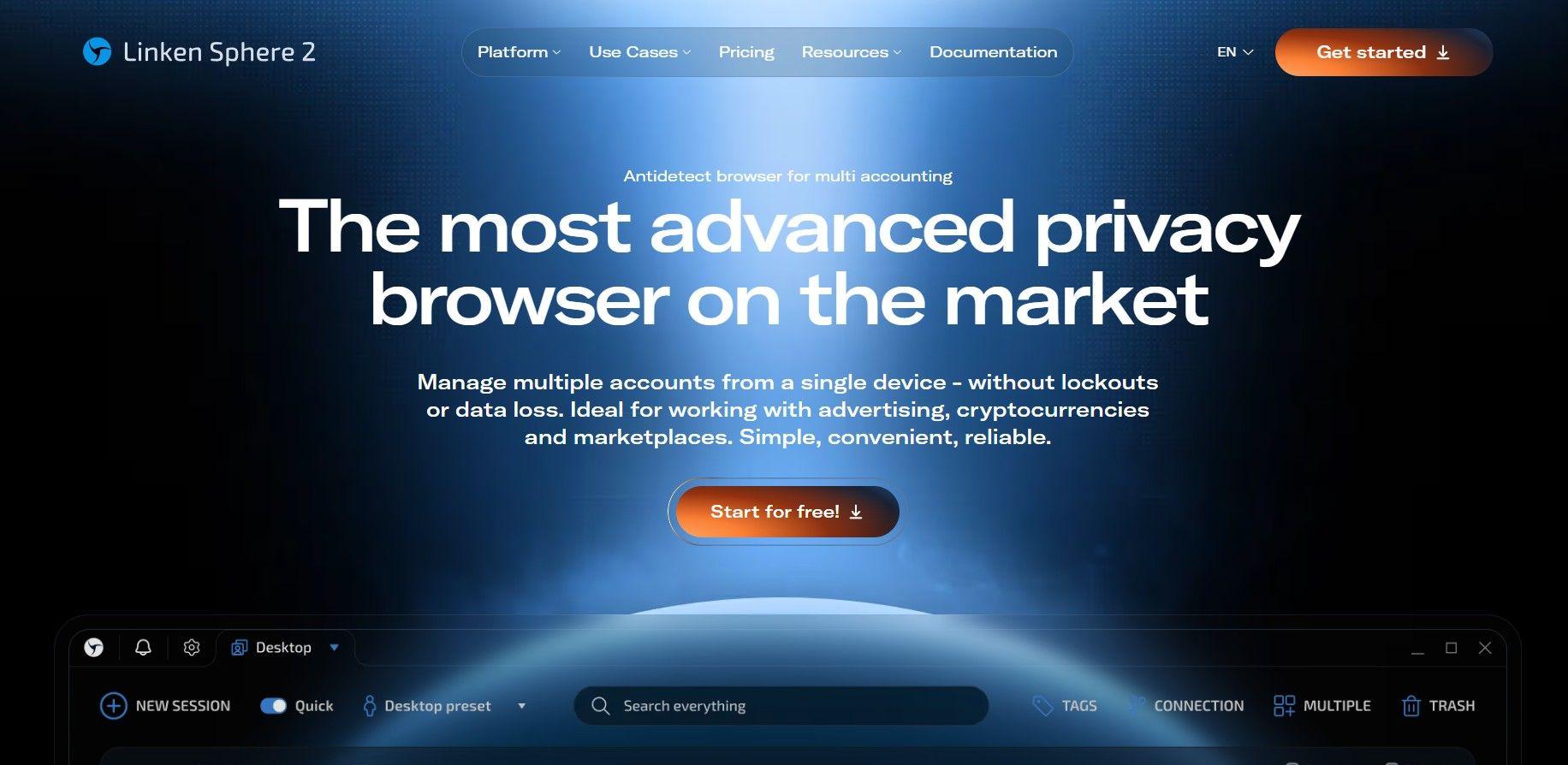
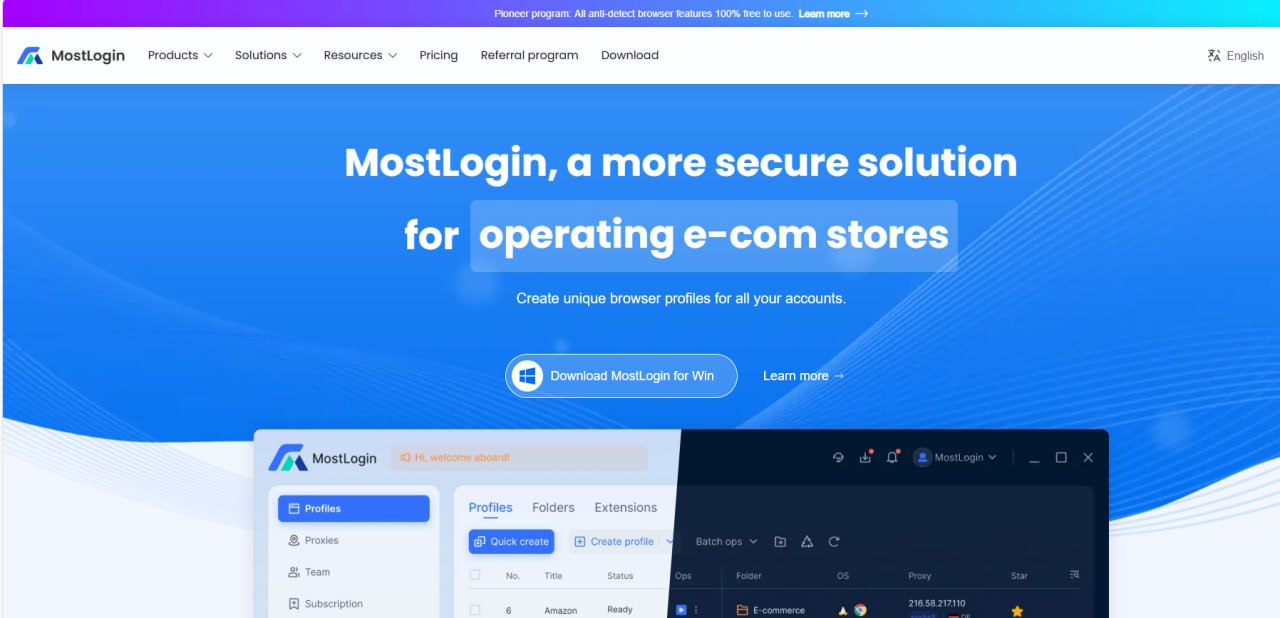
- Use browser fingerprint detection tools to check environment consistency
Correct use
Time zone synchronization is more important than you think. We have an American website group project. Initially, all accounts used New York IPs. However, they were flagged because they were active during the same period. Later, according to the time zone distribution function of the LIKE.TG backend, the IP was distributed to three time zones: Los Angeles, Chicago, and Miami, and the account behavior became much more natural. Now the team has fixed each IP to be used for 7 days before changing it. With the fingerprint browser, the risk control has basically never been triggered again.
A more stable operating portfolio
The standard configuration for mature teams now is: fingerprint browser + residential agent + automation tools. Especially when building a Shopify independent station, using LIKE.TG's residential proxy in conjunction with Multilogin can perfectly simulate the browsing trajectory of real users. There is a customer who does Drop Shipping. This combination increased the purchase conversion rate from 1.2% to 3.8%.
Common breakdown points for our team
- Forgot to turn off browser geolocation permissions
- The interval between account operations in the same IP segment is too short.
- Paying with a Chinese credit card but using a US IP
- Switch accounts without clearing cookies
- Underestimating the importance of browser font fingerprinting
FAQ
Q: Why is residential proxy more expensive than data center IP?
A: The cost of real home broadband is inherently high, and pure IP requires continuous maintenance. For example, LIKE.TG can achieve a price of $0.2/G, which is considered very cost-effective in the industry.
Q: Do I need an IP from a specific state to do TikTok?
A: Unless you are doing localized content, give priority to areas with good network quality. Our test found that the latency of Texas IP is generally about 30ms lower than that of California.
Conclusion
Last month I had dinner with colleagues and found that eight out of ten teams were secretly using residential agents. This thing is like the VPN of the past. If you use it correctly, it is a magic tool, but if you use it wrongly, it will be an account accelerator.
Tool or resource recommendations
Contact Us