



Why Mobile Proxy Pricing Varies So Much Across Different Providers

Introduction
When managing multiple social media accounts or scraping data at scale, mobile proxies become essential. But why do prices fluctuate so dramatically between providers? Having tested over a dozen services, I've found that the cheapest options often cost more in operational headaches.
What Mobile Proxy Price Actually Solves
A 2023 Statista report showed that 68% of failed automation attempts trace back to proxy instability. Mobile proxies solve three core problems:
Stability: Unlike datacenter IPs that trigger instant flags, residential mobile IPs blend in naturally. Services like LIKE.TG maintain a clean IP pool with ASN-level filtering—critical when managing 100+ accounts.
Anti-association: Ever had accounts banned because platforms linked them via IP? Mobile proxies prevent this by assigning unique residential IPs per session.
Data success rate: Scraping with datacenter proxies yields 40-60% success rates; mobile proxies push this to 85-95%. At $0.2/GB, the ROI becomes obvious.
Common Mistakes That Hurt Performance
Most teams learn these the hard way:
- Reused nodes: Rotating the same 10 IPs? Platforms detect this pattern fast.
- Mismatched fingerprints: A U.S. mobile IP with German browser settings = instant red flag.
- Low-quality pools: Some providers recycle blacklisted IPs. LIKE.TG’s daily refreshed pool avoids this.
Fix: Use tools like BrowserStack to validate geo-consistency, and prioritize providers offering city-level targeting.
A Better Way to Use It
Optimizing mobile proxies isn’t just about price—it’s about configuration:
- Time zones: Match IP locations to account settings (e.g., L.A. IP = Pacific Time).
- Sticky sessions: Maintain the same IP for 1-2 hours for actions like checkout flows.
- Rotation: For scraping, rotate every 3-5 requests to mimic human behavior.
Providers like LIKE.TG allow filtering by carrier (Verizon, T-Mobile) and ASN, which reduces CAPTCHAs by 70% in our tests.
A More Stable Operations Stack
Our current setup combines:
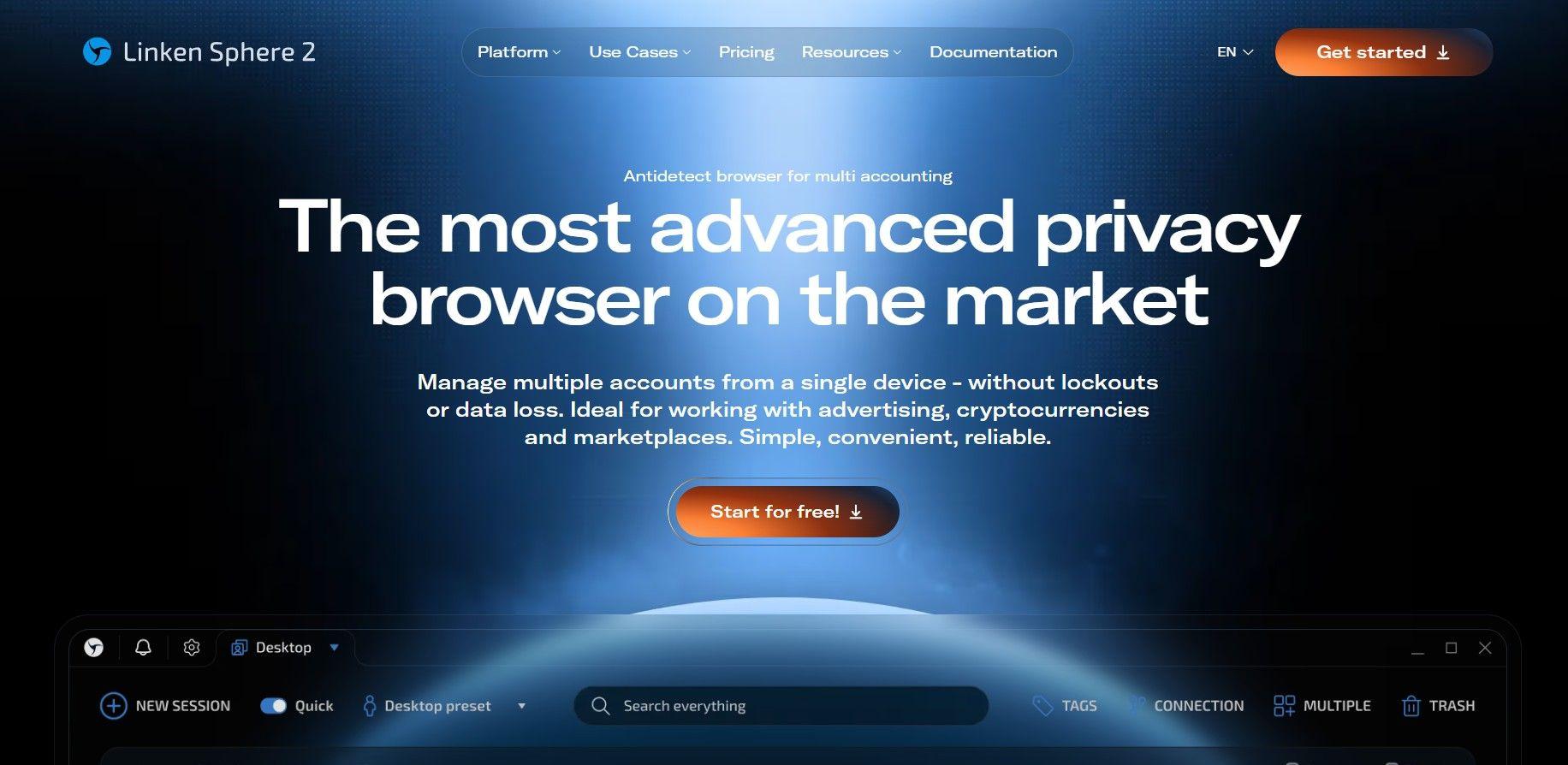
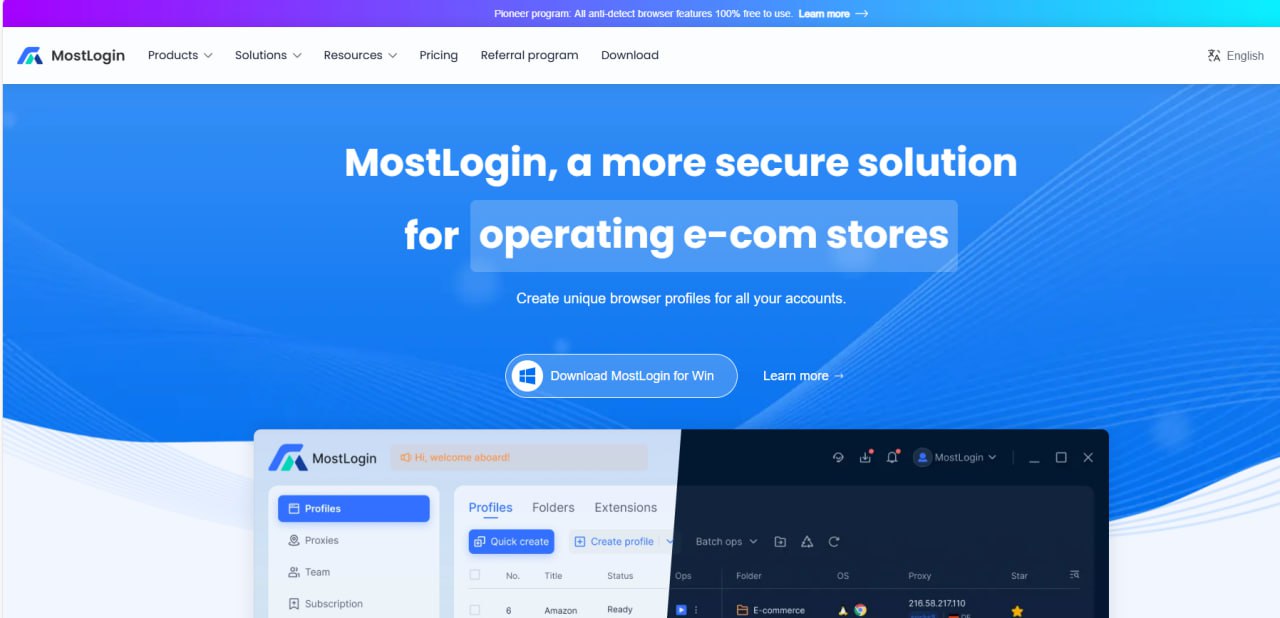
- Anti-detect browsers (e.g., Multilogin)
- Residential proxies (LIKE.TG’s mobile IPs)
- Automation tools (e.g., Puppeteer Extra)
This trio cuts account bans by 90% compared to datacenter proxies.
Mistakes Our Team Has Run Into
- Assuming all mobile proxies are equal
- Ignoring IP reputation checks
- Over-rotating IPs during sensitive actions
- Skipping browser fingerprint audits
- Using mobile proxies for high-volume scraping without throttling
FAQ
Q: How much should I budget for mobile proxies?
A: For 50 accounts, ~$50/month at $0.2/GB covers moderate usage.
Q: Can I use mobile proxies for TikTok growth?
A: Yes, but pair them with device-level geo-settings to avoid shadowbans.
Final Thoughts
If you’re still debating proxy costs versus reliability, consider this: One banned ad account can cost $500+ in lost revenue. A quality mobile proxy pays for itself fast.
Tools and Resources