


Why Most Bot Operations Fail Without the Right Proxy Strategy

Introduction
Three months ago, our e-commerce team hit a wall—accounts getting flagged, scraping scripts blocked, and ad performance dropping. The culprit? Poor proxy management. Here’s how we turned it around.
What Proxies for Bots Actually Solves
A Statista report shows 67% of automated tasks fail due to IP reputation issues. Proxies aren’t just about hiding your IP; they solve:
- Stability: Residential proxies (like LIKE.TG’s pool) mimic real user behavior, reducing CAPTCHAs
- Anti-association: Isolate accounts with unique IPs to avoid platform cross-detection
- Data success rate: Clean IPs improve scraping accuracy—we saw a 40% drop in incomplete data after switching
Common Mistakes That Hurt Performance
Early on, we wasted $3,000 on proxies that caused more problems than they solved:
- Repeated nodes: Cheap datacenter proxies reuse IPs—LinkedIn flagged us within hours
- Inconsistent fingerprints: Pairing proxies with mismatched browser settings is like wearing flip-flops to a snowstorm
- Poor IP pool quality: One provider’s "residential" IPs were actually recycled VPNs
Fix: Test new IPs with IPQS before deployment.
A Better Way to Use It
We now:
- Align IP time zones with target regions (LIKE.TG allows city-level filtering)
- Use sticky sessions for 15–30 minutes when managing multiple accounts
- Rotate IPs based on platform sensitivity—every 10 mins for TikTok, hourly for Shopify
A More Stable Operations Stack
Our current toolkit:
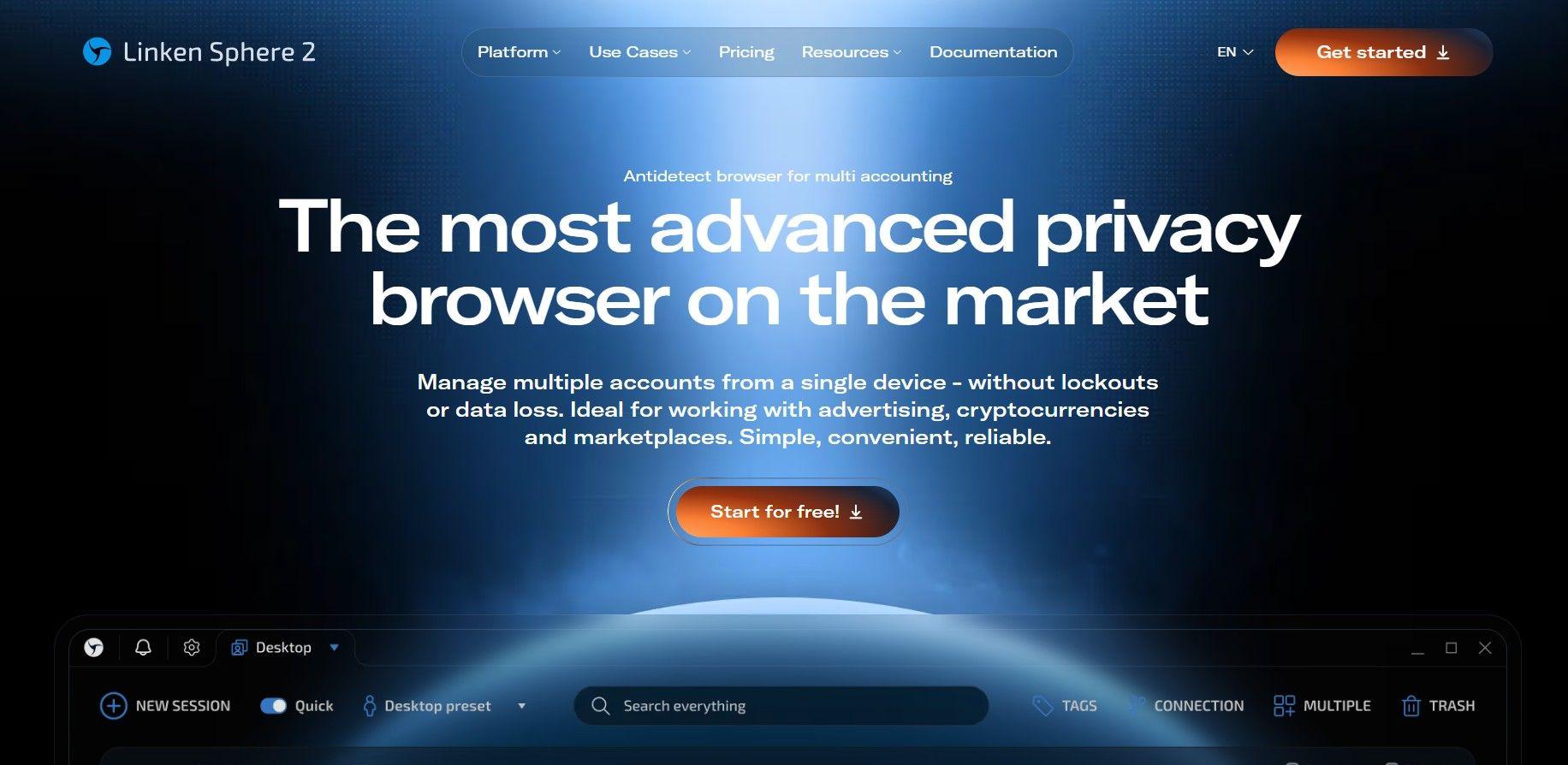
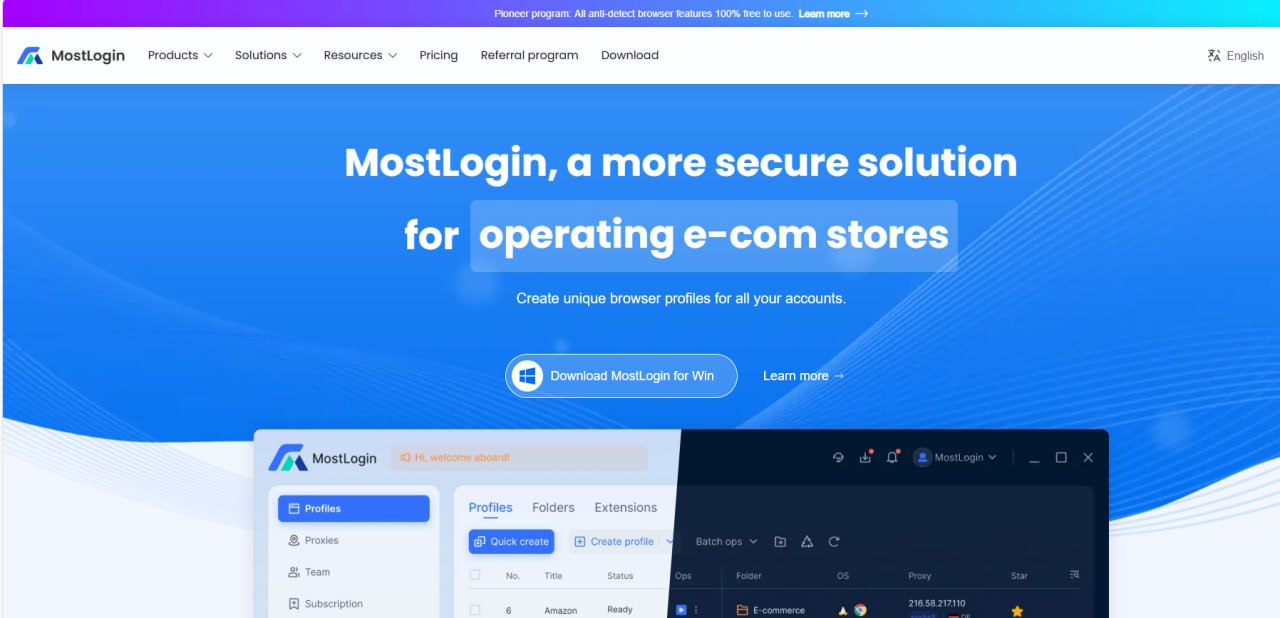
- Anti-detect browsers (Multilogin or Dolphin)
- Residential proxies ($0.2/GB tier from LIKE.TG for cost-sensitive tasks)
- Automation tools (Puppeteer for scraping, Jarvee for social)
Mistakes Our Team Has Run Into
- Assuming all "residential" proxies are equal
- Not monitoring IP reputation scores
- Over-rotating IPs during checkout flows
- Using the same subnet for account creation
- Ignoring carrier diversity (AT&T IPs work better for Walmart than T-Mobile)
FAQ
Q: How often should I rotate proxies for Instagram growth?
A: Every 20–30 actions (like/follow/comment). We use LIKE.TG’s ASN filtering to avoid clustering.
Q: Can I use free proxies for data scraping?
A: Only if you enjoy 90% failure rates and potential legal letters.
Final Thoughts
A good proxy strategy feels like hiring a skilled driver—you stop worrying about roadblocks and focus on the destination. We keep LIKE.TG’s $5 test credit handy for new projects.
Tools and Resources