


Overseas Marketing Guide Articles
Home-Overseas Information


Google Adds AI Transparency Labels to Ads in 2026 Update

Google has implemented mandatory transparency measures for advertisements containing AI-generated elements, according to company documentation reviewed by like.tg. The update, effective immediately across Google's ad network, introduces automated detection and labeling systems to inform consumers about synthetic media in promotional content.
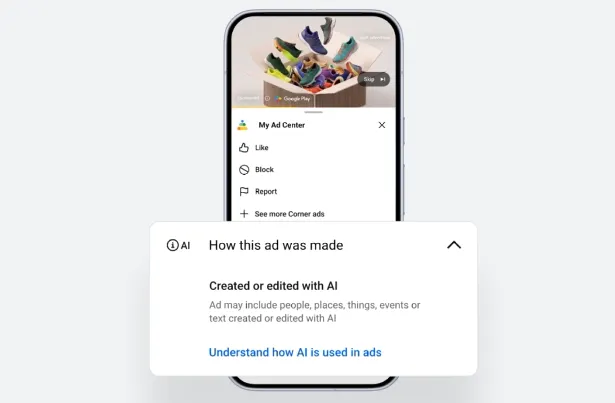
How the AI Disclosure System Works
The new protocol allows users to access detailed creation metadata through an expanded "How this ad was made" panel, accessible via the three-dot menu on any Google-served advertisement. The system operates through two parallel mechanisms:
Automated Detection: Google's proprietary SynthID watermarking technology scans all ad creative assets to identify AI-generated components. This builds upon the company's existing digital watermark framework developed by DeepMind.
Advertiser Self-Reporting: A new control panel enables advertisers to manually flag content produced using third-party generative AI tools when Google's automated systems don't detect synthetic elements.
"Managing AI disclosures should be seamless for advertisers," stated a Google spokesperson. "When using our native generative AI advertising tools, disclosures are added automatically. For external AI content, we've created straightforward reporting controls."
Implementation and Compliance
The disclosure placement varies by jurisdiction, reflecting differing regional requirements for AI transparency:
- Some markets will display tags directly on ad creatives
- Others will surface the information only within the expanded details panel
- Advertisers can voluntarily trigger visible disclosures in all regions
Google has integrated support for C2PA (Coalition for Content Provenance and Authenticity) metadata standards to enhance cross-platform detection capabilities. This allows the system to verify content origins beyond just Google's ecosystem.
Industry Context
The move comes as regulatory pressure increases globally regarding synthetic media disclosure. Like.tg's analysis shows a 217% year-over-year growth in AI-assisted ad creation tools since 2025, making transparency measures essential for maintaining consumer trust.
"These labels serve a dual purpose," noted a digital advertising analyst. "They educate consumers about the growing role of AI in marketing while giving advertisers a standardized way to demonstrate compliance with emerging disclosure laws."
Google's implementation follows similar initiatives by Meta and TikTok, though with more robust automated detection capabilities. The system will continue evolving as new AI content generation techniques emerge in the advertising sector.
Contact Us