

Overseas Marketing Guide Articles
Home-Overseas Information


Instagram Will Not Ban AI Content, Mosseri Says

Instagram Faces Complaints Over AI Copies of Artists’ Work
Meta is still promoting its evolving artificial intelligence tools while also dealing with a surge of AI-generated slop. That low-quality, digitally created material is affecting creators and users on its apps.
Last week, an artist complained that Instagram was allowing users to post AI-generated content that replicates his work. Instagram chief Adam Mosseri responded that it is not practical for the platform to ban AI content. He said the app still wants to stop people from using AI to rip off creators’ work.
The complaint, shared on Threads, has become a reference point in a wider argument about derivative AI posts and how Instagram should treat them.
What Mosseri Said About Ranking AI Content
Mosseri returned to the issue in his weekly Q&A, posted in a temporary Instagram Story. He said Instagram does not reduce distribution of AI posts simply because they were made with AI.
“We do not throttle the reach of AI content just for being AI content. Our idea with ranking is to connect you with content that you like and not with content that you’re not interested in, whether or not it’s AI. Now, there’s some great AI content and there’s a lot of slop out there, and so, ideally, ranking is doing its thing, but obviously we make some mistakes sometimes. We do want you to know that something was AI if it was generated with AI, and so we’re trying to figure out how to best do that.”
Under that approach, ranking is meant to favor material people want to see and to limit exposure to material they do not, whether or not AI was involved. Mosseri acknowledged both strong AI work and a large amount of slop, and he said the ranking system sometimes gets those calls wrong.
More Labels and Voluntary Tags
Mosseri said the platform plans to add more labels to AI content. Instagram also wants to incentivize creators to voluntarily tag their AI-generated content so overall transparency improves.
The stated goal is that people should be able to tell when something was generated with AI. He said the company is still trying to determine the best way to do that, rather than treating every AI post as content that should be banned or automatically downranked.
Copyright Claims and a “Tricky Problem”
In a recent Threads post about AI content replicating artists’ work, Mosseri said he is worried about the trend and that Meta is still deciding how to respond.
“To be clear, I am very worried about this trend,” he wrote. “We are actively working out what to do, it’s just a tricky problem. We already let people make copyright claims against content, and take stolen copyrighted material. That’s not enough though, as assume many comedians and dancers haven’t gone through the trouble to copyright their material. We need a way to help those creatives without letting bad actors make more fake claims (happens all the time unfortunately).”
The existing process lets people file copyright claims and leads to removal of stolen copyrighted material. Mosseri said that process does not cover many comedians and dancers who have not copyrighted their work. He also said any new protection has to avoid giving bad actors more room to file fake claims, which he said happens all the time.
Meta’s AI Promotion and Pressure on Creators
The dispute shows the balance Meta is trying to keep while it promotes its AI tools. The company has invested hundreds of billions of dollars in AI projects, and it continues to prompt users to generate images and videos in-stream.
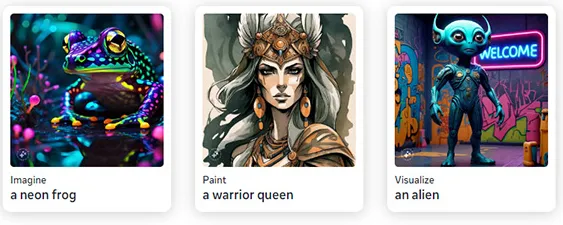
Those same prompts sit beside the current complaints. As more users share derivative, copyright-infringing AI slop, that activity could push creators away from Meta’s apps. Mosseri has described the issue as difficult to solve. Reporting on the exchange also frames it as a problem Meta itself created by encouraging generative tools, and it notes that if more creators avoid Meta’s apps, the shift could have a significant impact on the company’s viability.
For creators, brands, and marketers who publish on Instagram, the immediate points are narrower than a ban: AI posts are not limited merely for being AI, more labels are planned, voluntary tagging is being encouraged, and copyright tools remain the formal route even as Mosseri says they are not enough for every creative. like.tg continues monitoring social media platform updates as Instagram works through how to label AI content without cutting off the tools Meta is promoting.
Contact Us