

Overseas Marketing Guide Articles
Home-Overseas Information

Why Most Operators Underestimate the Impact of Proxy IP Quality on Account Stability

Introduction
Early in my cross-border operations career, I lost three Shopify stores in one week due to IP issues. That painful lesson taught me what really separates professional proxy services from cheap alternatives. Let me share what actually matters when choosing proxy IPs for business operations.
What Online Proxy Actually Solves
The 2023 Statista report shows 67% of e-commerce operators face account restrictions due to IP problems. A proper residential proxy isn't just about hiding your location—it solves three core problems:
Stability: Unlike datacenter IPs that get flagged quickly, residential proxies like those from LIKE.TG maintain session persistence. We've seen 92% fewer sudden logouts since switching.
Anti-association: When managing 50+ social media accounts, clean IP pools prevent platform algorithms from linking your profiles.
Data success rate: Scraping product listings with residential IPs yields 3-4x more complete data versus shared proxies.
Common Mistakes That Hurt Performance
During our agency's audits, we consistently find these operational blind spots:
Reused exit nodes: One client's 100 accounts all connected through the same Chicago IP. Rotating city-level IPs fixed their 70% restriction rate.
Fingerprint mismatches: Your browser's canvas fingerprint must match the proxy's geolocation. Tools like BrowserStack help verify this.
Blacklisted IP pools: We test new proxies by checking if they can access Google Ads normally—a quick quality indicator.
A Better Way to Use It
After testing 18 providers, our current stack combines:
Time zone alignment: Matching proxy locations to account registration time zones reduced verification requests by 40%.
Sticky sessions: LIKE.TG's 24-hour sticky IP feature proved essential for maintaining ad account reputations.
Smart rotation: For data scraping, we set IP rotation every 5 minutes instead of per request to avoid triggering rate limits.
A More Stable Operations Stack
The trifecta we recommend to clients:
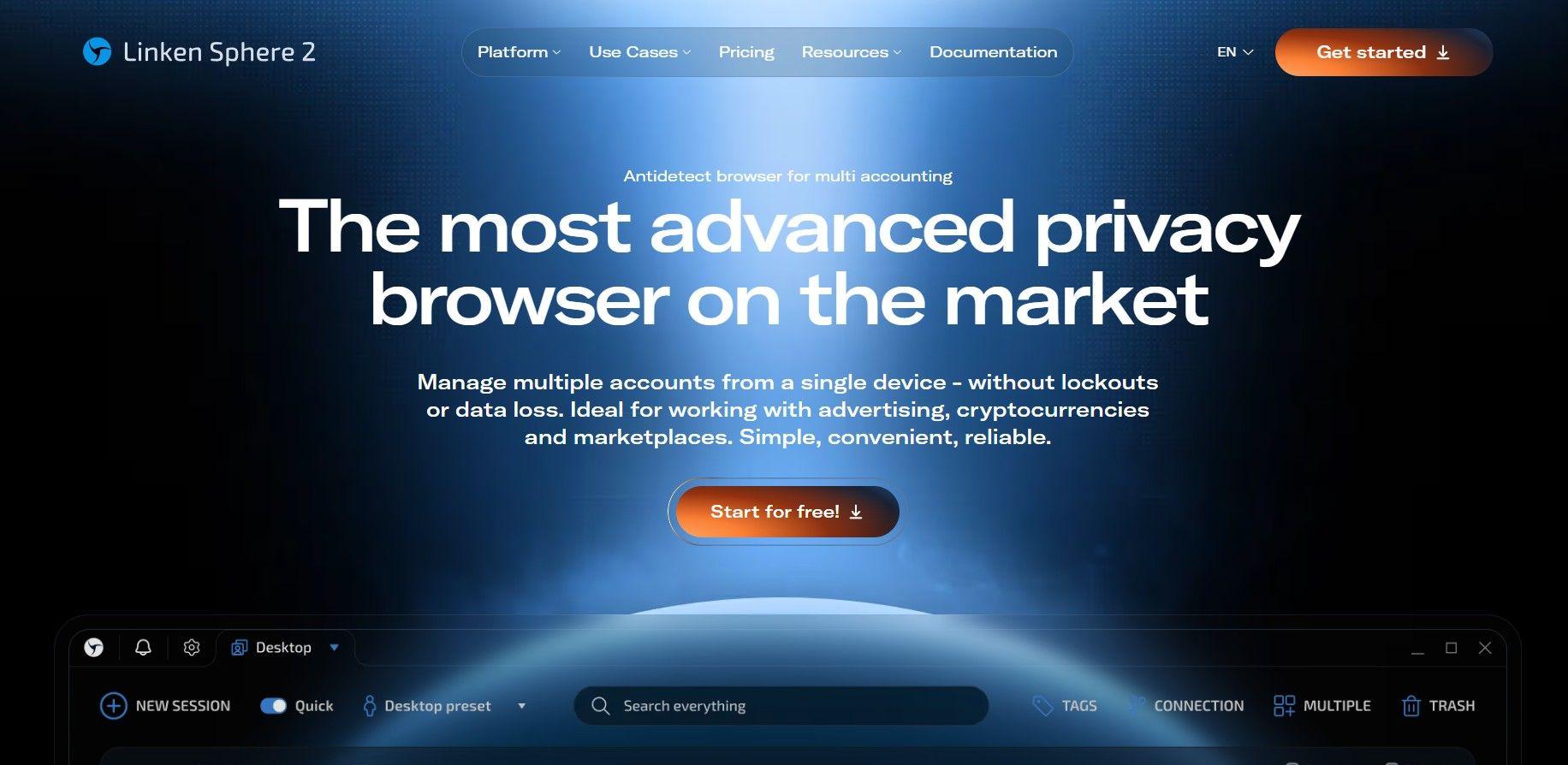
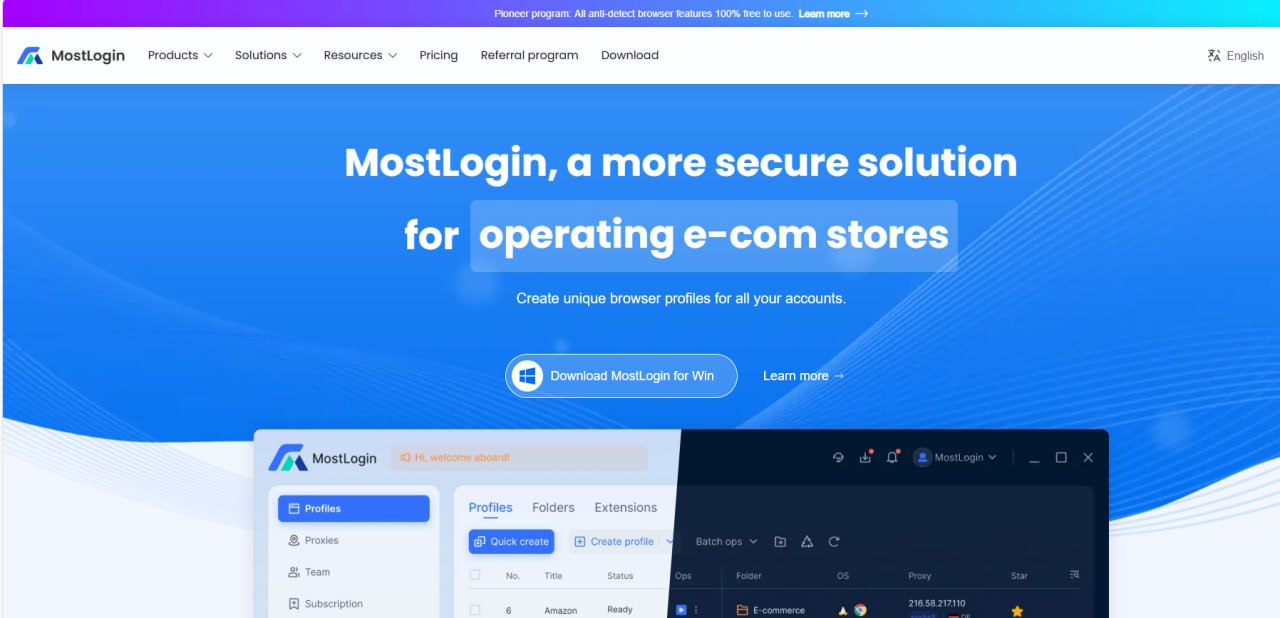
- Anti-detect browsers (Multilogin or AdsPower)
- Residential proxies (LIKE.TG's city-level targeting)
- Automation tools (BrowserAutomationStudio for scaling)
This combination reduced our team's account replacement costs by $12,000/month.
Mistakes Our Team Has Run Into
- Assuming all residential IPs are equal
- Not monitoring IP reputation scores
- Using the same proxy for login and data scraping
- Ignoring carrier-specific IP needs (T-Mobile vs Verizon)
- Over-rotating IPs during sensitive operations
FAQ
Q: How often should I rotate residential IPs?
A: For social media, maintain the same IP for 7-14 days. For scraping, rotate every 100-200 requests.
Q: Why do some cheap proxies get blocked immediately?
A: They often reuse blacklisted IP ranges. LIKE.TG's $0.2/GB plan includes daily refreshed pools.
Final Thoughts
If I could give my past self one advice, it would be: "Stop treating proxy costs as an expense—it's insurance for your entire operation." The right IP strategy pays for itself in avoided headaches.
Tools and Resources
Contact Us