

Overseas Marketing Guide Articles
Home-Overseas Information

Why is your cross-border business always subject to risk control? Maybe the IP is not selected correctly

introduction
Last year, I helped a friend investigate risk control issues at independent sites and found that 80% of account anomalies were caused by improper IP selection. A truly stable residential agency can often solve 90% of the bottom-level worries of cross-border people.
What exactly does ip proxy solve?
According to the latest statistics from DataReportal, the order loss rate of global e-commerce due to IP issues is as high as 23%. After our team used LIKE.TG residential proxy, the data collection success rate increased from 62% to 89%. The most intuitive changes are: social media accounts are no longer inexplicably restricted, crawlers will not be frequently banned, and logging in to multiple accounts on the same device will no longer trigger associated warnings.
The easiest pitfalls to step into
Last week, a customer who was doing TikTok matrix came to me and said that even after changing three agency service providers, his account was still blocked. The investigation revealed two fatal problems: one is the data center IP used, and the other is that the country is randomly switched every time you log in. Teach him two self-check methods: 1) Use whoer.net to check the purity of the IP; 2) Observe whether the ASN ownership of the proxy IP is consistent. Later, I switched to LIKE.TG’s fixed urban residential IP, and there have been no problems for three months.
Correct use
Friends of Amazon should have a deep understanding: it is more natural to operate orders in the early morning with an IP on the West Coast of the United States than with an Asian IP during the day. We currently use a Los Angeles residential IP with Multilogin. The key is to achieve three points: match the browser time zone with the IP location, maintain the consistency of the device fingerprint, and control the frequency of IP switching. LIKE.TG supports filtering IPs by city, which is very practical, especially when doing localized operations.
A more stable operating portfolio
After testing more than a dozen solutions, we fixedly use this combination:
- Residential agent (LIKE.TG unit price $0.2/G is enough)
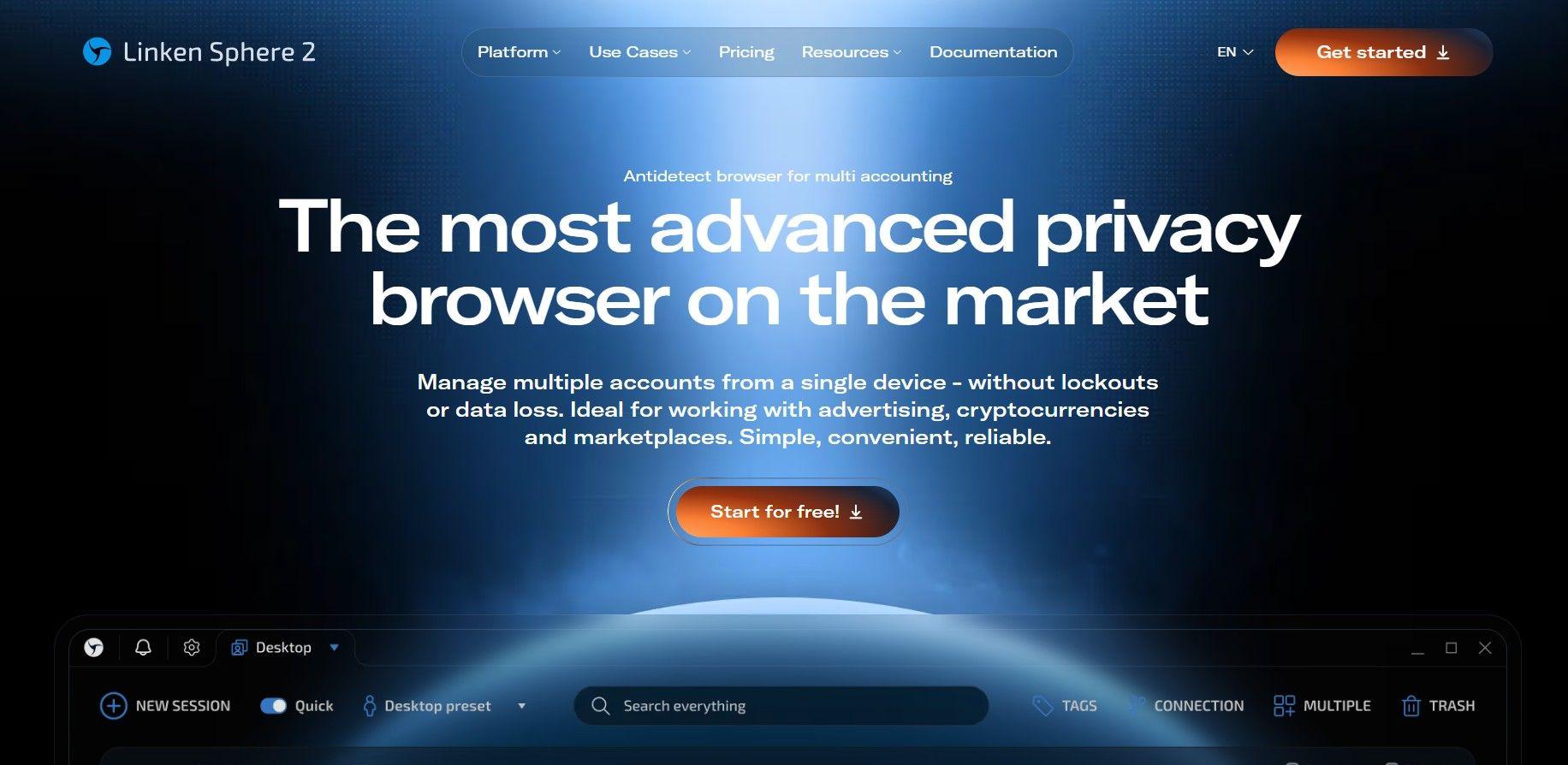
- Linken Sphere fingerprint browser
- Self-built automation script
The point is not how advanced the tool is, but the quality of the IP pool. Once I used a cheap proxy and all 200 accounts were wiped out in three days. Later I found that the entire IP range had been marked.
Common breakdown points for our team
- Buy non-residential IP cheaply
- Different businesses use the same batch of IPs
- Ignore the time difference of IP location
- Frequently switch nodes in different countries
- Registered directly without IP purity test
FAQ
Q: Is the difference between residential proxy and data center proxy really that big?
A: Just like the difference between renting a house and staying in a hotel, the platform’s risk control system can identify it.
Q: Why is LIKE.TG’s IP less likely to be blocked?
A: Their IP pool comes from real home broadband, and they regularly clean marked IP segments.
Conclusion
Last month I had dinner with a friend who works for Shopify. He said that since he changed to a residential agent, the ad account approval rate has increased by 40%. This thing is like invisible armor. You can't feel its existence at ordinary times, but it can really save lives at critical moments.
Tool or resource recommendations
Contact Us